
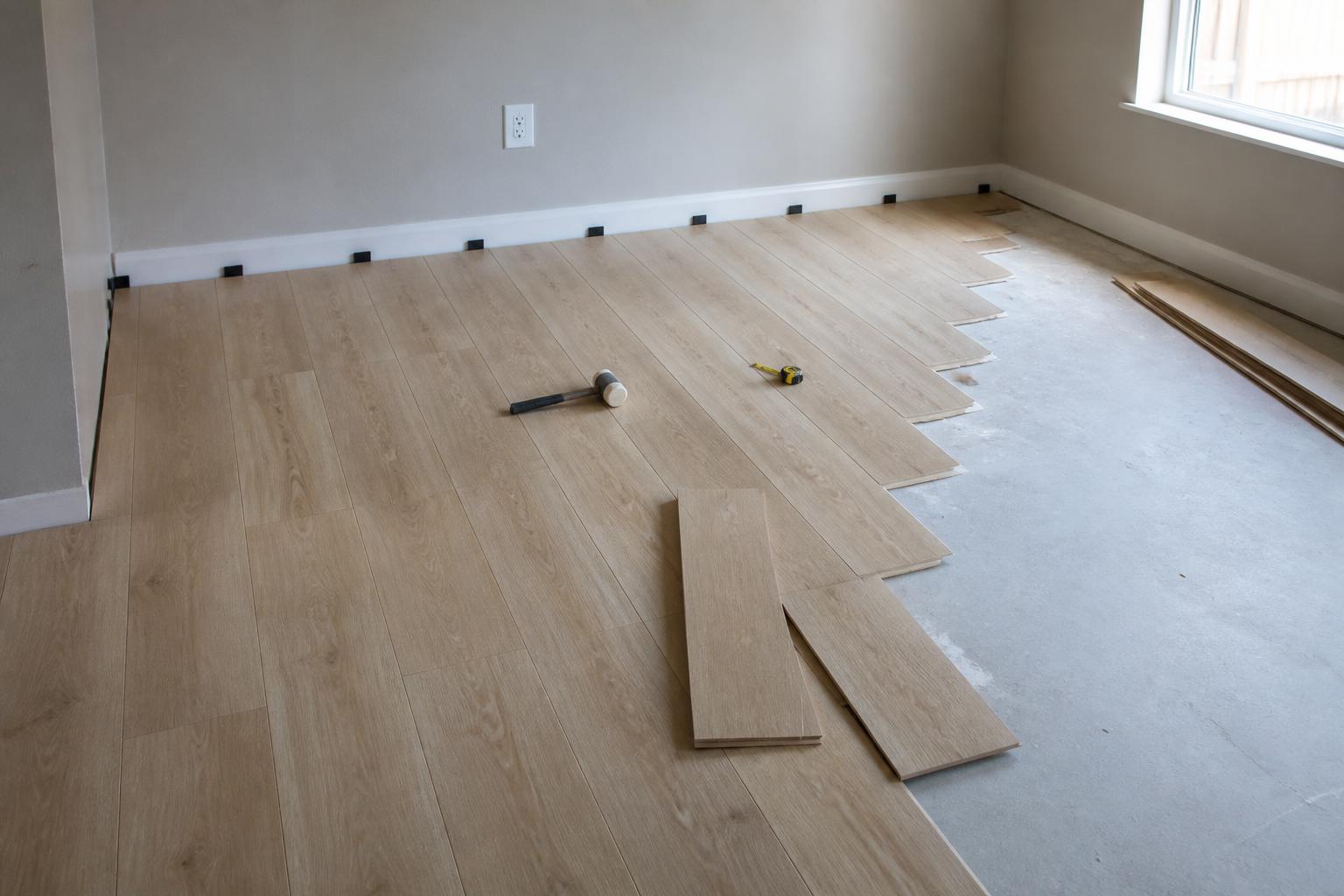
Laminate flooring is usually the first material people research when they want a hardwood-style look without a hardwood-style budget, but the price range you’ll see quoted online can vary by a factor of three or more. That spread isn’t random. It comes down to a handful of specific cost drivers: the grade of laminate, the condition of the subfloor underneath, the underlayment used, and the complexity of the room being installed.
This guide breaks down what actually makes up a laminate installation quote, so you can compare estimates accurately and understand which parts of a quote are worth spending more on and which are not.
Material Costs: What Separates Entry-Level From Premium Laminate
Laminate flooring is rated using an AC (Abrasion Class) system that measures how well the wear layer holds up to foot traffic. Entry-level AC3 laminate is priced for light residential use and is a reasonable choice for a bedroom or a room with minimal traffic. AC4 and AC5 laminate cost more per square foot but hold up far better in kitchens, hallways, and homes with kids or pets, which is where a cheaper board tends to show wear and chipped edges within a year or two.
Board thickness and the quality of the printed wood-grain layer also affect price. Thicker boards with a deeper embossed texture look and feel closer to real hardwood and tend to handle subfloor imperfections better than thin, budget boards that can flex and click loudly underfoot.
Subfloor Preparation: The Cost Driver Most Quotes Underestimate
A laminate floor is only as good as the surface underneath it. If a subfloor has squeaks, uneven spots, old adhesive residue, or moisture issues, that work has to happen before a single laminate plank goes down, and it’s the single biggest reason two quotes for the same room can differ so much. A subfloor in good condition might only need a quick clean and a moisture check, while an older subfloor with a squeak or a low spot can add meaningful labour time to level or repair it properly. The Canada Mortgage and Housing Corporation has general guidance on moisture control in the home that’s worth a read before any flooring project.
This is also why an accurate quote should always start with someone looking at the actual subfloor rather than pricing a job over the phone based on square footage alone. Skipping proper subfloor prep is the most common shortcut behind laminate floors that start squeaking, gapping, or peaking at the seams within the first year.
Underlayment and Room Complexity
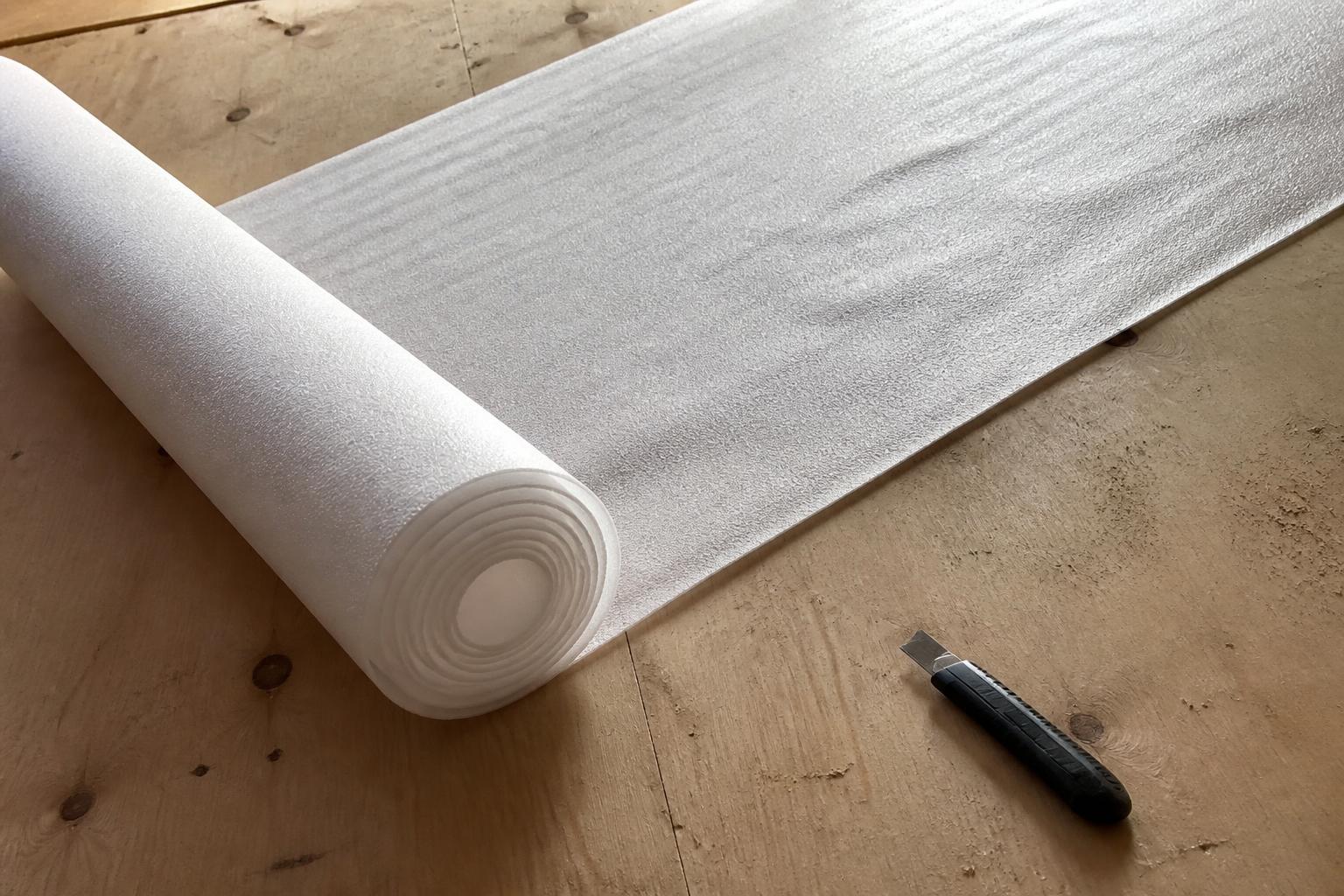
Underlayment adds cushioning, sound dampening, and in some cases a built-in moisture barrier, and the type needed depends on what’s below the subfloor, whether that’s a concrete slab, an existing floor, or a space over an unheated area. Basic foam underlayment is the most affordable option, while combination underlayment with a vapour barrier costs more but is often necessary over concrete.
Room shape and layout affect labour too. A simple rectangular room with few obstacles installs quickly, while rooms with lots of doorways, closets, staircases, or transitions to other flooring types take longer and increase the labour portion of a quote.
Click-Lock vs Glue-Down: How Installation Method Affects Price
The vast majority of modern laminate uses a click-lock, floating-floor system, where planks snap together and float over the underlayment without being fixed to the subfloor. This is faster to install and generally the more affordable method, and it also makes future repairs or replacement of a damaged plank simpler since the floor isn’t glued down.
Glue-down laminate is far less common today but still shows up in some commercial or specific residential applications where a floating floor isn’t appropriate. It takes longer to install, requires more skilled labour, and typically costs more per square foot in labour alone. When comparing quotes, it’s worth confirming which method is being priced, since a lower glue-down quote might actually mean corners are being cut on adhesive coverage or subfloor prep.
DIY vs Professional Installation
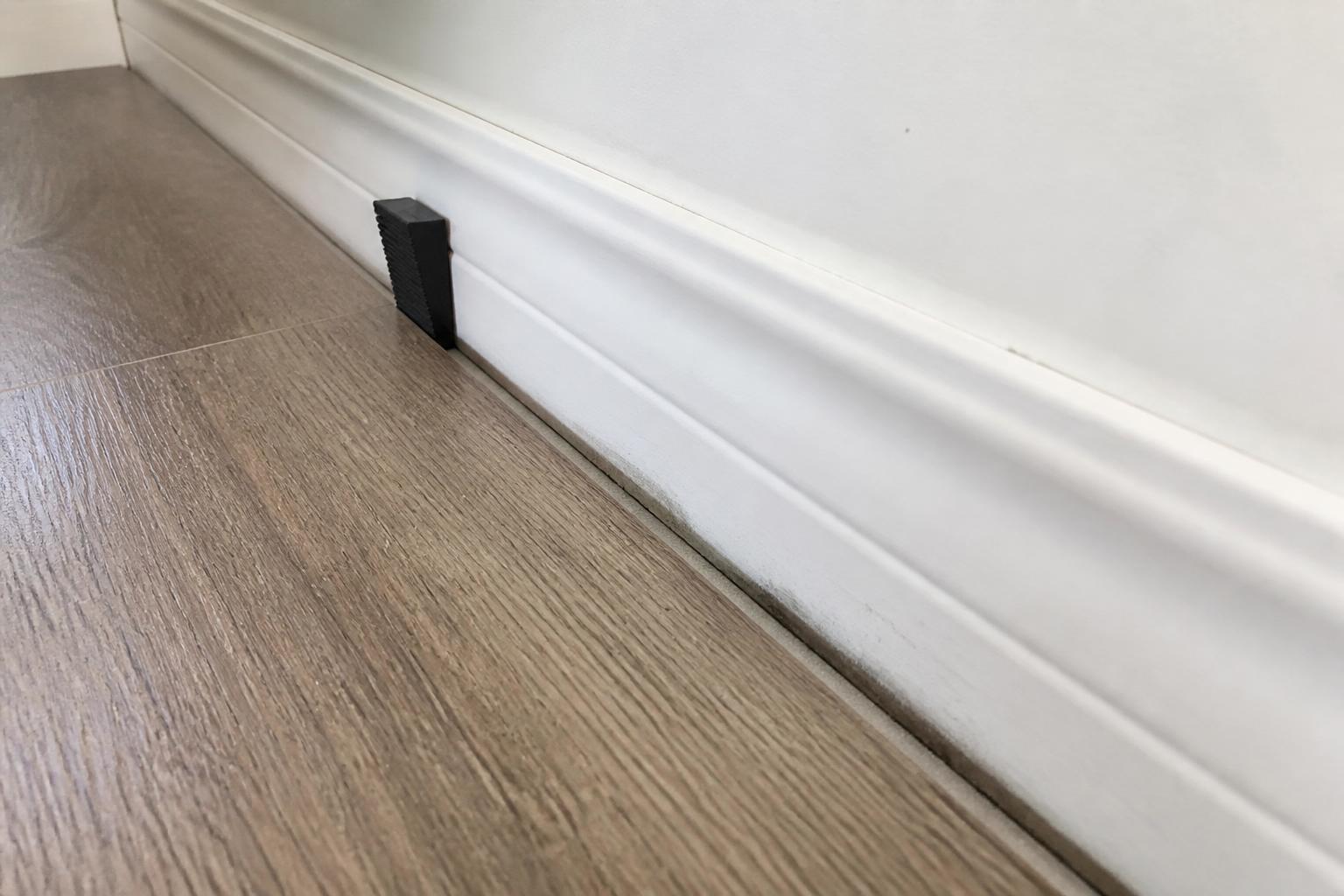
Laminate is often marketed as a DIY-friendly product, and simple, small rooms are genuinely manageable for a confident homeowner. Larger rooms, rooms with transitions, or homes where the subfloor needs real preparation are a different story. Mistakes made during installation, such as skipping expansion gaps, rushing subfloor prep, or installing over a moisture problem that wasn’t caught, tend to show up months later as gaps, buckling, or squeaks that cost more to fix than a professional installation would have cost in the first place.
How to Compare Laminate Installation Quotes Fairly
Because so much of the final price depends on subfloor condition, the only way to compare quotes accurately is to make sure every quote is based on an in-person look at the room, not a phone estimate based on square footage alone. When reviewing quotes side by side, check whether each one specifies the AC rating of the laminate, the type of underlayment included, whether subfloor repair is included or billed separately if needed, and whether removal and disposal of the existing flooring is part of the price. Two quotes that look similar on the surface can represent very different scopes of work once these details are spelled out.
It’s also worth asking how warranty coverage works for both the material and the installation labour. A lower upfront price is not much of a saving if a shortcut in subfloor prep or underlayment leads to a callback within the first year that isn’t covered.
Getting a Room Ready Before Installation Day
A little preparation on the homeowner’s side keeps a job moving on schedule and can prevent surprise delays that add cost. Clearing furniture, area rugs, and floor coverings out of the room before the crew arrives, confirming that any old flooring removal was accounted for in the quote, and flagging known trouble spots, such as a squeaky board or a spot that has felt damp in the past, all help the installer plan the job accurately instead of discovering issues partway through. Pets are worth keeping in a separate room during installation, both for their safety around tools and to keep the work area clear.
Frequently Asked Questions
Does laminate flooring cost less than hardwood?
Yes, laminate is typically less expensive than solid or engineered hardwood for both materials and installation, though a higher-grade AC4 or AC5 laminate with proper subfloor prep can close some of that gap.
What adds the most cost to a laminate installation quote?
Subfloor repair and levelling is usually the largest variable cost, followed by the AC rating of the laminate itself and the underlayment required for the specific subfloor type.
Can laminate be installed over an existing floor?
In many cases yes, as long as the existing floor is flat, stable, and free of moisture issues, though a professional assessment is the safest way to confirm it before installation begins. If your subfloor turns out to be uneven, luxury vinyl plank is worth considering as an alternative that tolerates minor imperfections a little more forgivingly.
How long does a laminate installation typically take?
A straightforward room with a subfloor in good condition can often be completed in a day. Rooms that need levelling, moisture barriers, or extensive subfloor repair, or that involve multiple rooms and transitions, can take several days once prep work is factored in. Getting an accurate timeline, like getting an accurate price, depends on someone assessing the actual subfloor rather than estimating from square footage alone.
If you’re comparing laminate quotes and want a straight answer on what your specific room will actually cost, Tony’s Flooring can assess your subfloor and walk you through material options that fit your budget. Try our flooring cost calculator for a starting estimate, call us at (416) 255-9631, or get in touch with our team to schedule a look at your space.