
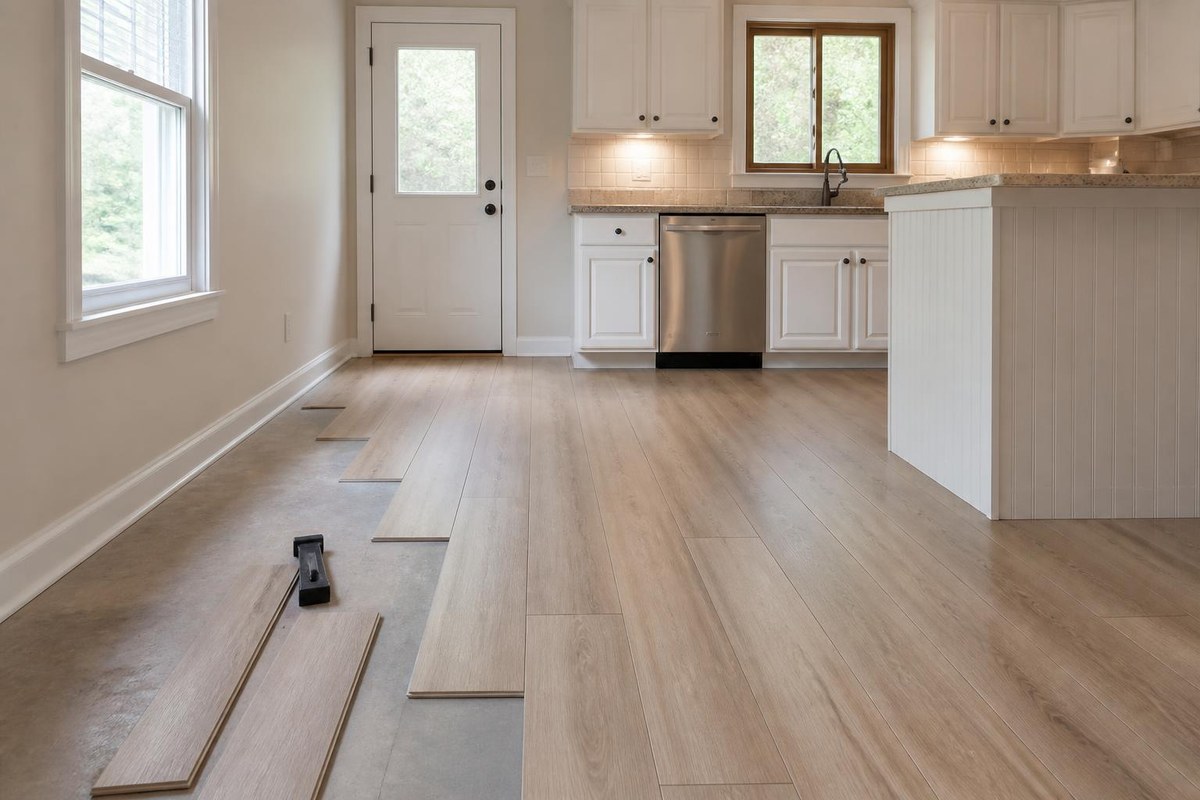
SPC vinyl flooring keeps coming up in flooring showrooms because it solves a problem homeowners have complained about for years: standard luxury vinyl plank that dents under heavy furniture or feels a little hollow underfoot. SPC stands for stone plastic composite, and it’s a rigid-core construction that changes how vinyl plank performs in daily life, not just how it looks.
This guide breaks down what SPC actually is, how it differs from standard flexible vinyl plank, where it performs best in a Toronto home, and what to check before choosing it over other vinyl options.
What Makes SPC Vinyl Flooring Different
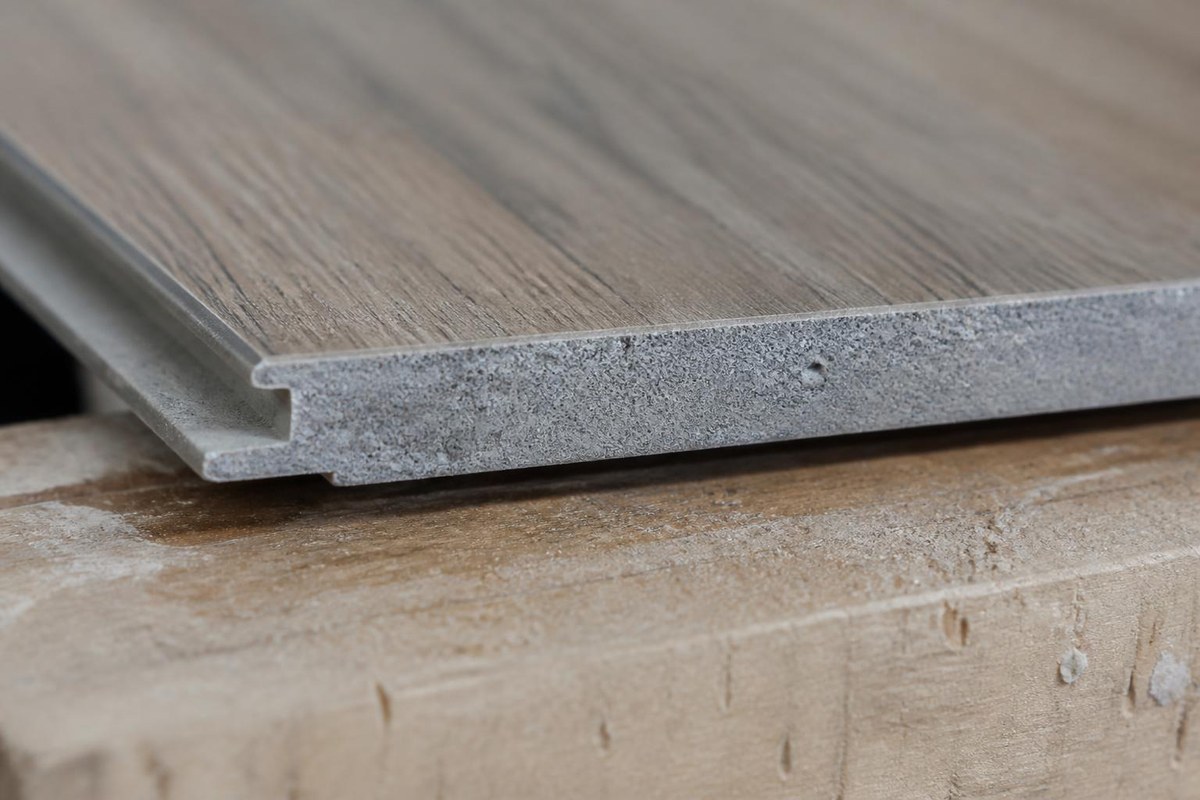
Traditional luxury vinyl plank has a flexible core, usually a WPC (wood plastic composite) or a standard vinyl base, that gives it some give underfoot. SPC vinyl flooring replaces that flexible core with a dense layer of limestone powder blended with stabilizers, topped with the same realistic wood-look print layer and clear wear layer used on other vinyl plank flooring products.
That rigid core is the whole story. It makes SPC planks harder, more dimensionally stable, and more resistant to denting from furniture legs or dropped objects than flexible vinyl core products. It also means SPC tends to telegraph subfloor imperfections less forgivingly than a softer core, which changes what subfloor prep looks like before installation.
SPC vs Standard Vinyl Plank: Where the Differences Show Up
Underfoot feel is the most noticeable difference in a showroom. SPC feels firmer and more like a hard floor, while WPC and flexible vinyl plank have a bit more cushion and sound-dampening built in. Neither is universally better; it comes down to what a homeowner wants a room to feel like.
Durability against dents and heavy loads generally favours SPC, which is part of why it shows up often in kitchens, entryways, and homes with large furniture or heavy foot traffic. Sound transmission favours the softer core products, since SPC’s rigidity can carry more impact noise between floors unless a sound-dampening underlayment is added underneath.
Waterproof Performance
Both SPC and most modern WPC vinyl plank are built to be fully waterproof at the plank level, since the core materials in each don’t absorb water the way wood-based products do. The real vulnerability in either case is at the seams and edges, where water can still work its way down to the subfloor if a spill sits for a long time or a seam wasn’t installed tightly. This matters most in bathrooms, laundry rooms, and basements, where the Canada Mortgage and Housing Corporation notes that the key to controlling mould is moisture control: keeping the space dry, free from leaks, and well ventilated, regardless of how waterproof the flooring itself claims to be.
Subfloor Prep: Where SPC Is Less Forgiving
Because SPC’s rigid core doesn’t flex the way softer vinyl does, small subfloor imperfections that a flexible product would quietly absorb can telegraph through an SPC floor as a slight rocking feel underfoot or a visible high spot. A subfloor that’s flat, clean, and free of debris matters more with SPC than with some other flooring types, which is why an in-person subfloor assessment before installation is worth insisting on rather than skipping.
Underlayment choice also plays a bigger role with SPC than with softer-core products. A quality underlayment with sound-dampening and a moisture barrier helps offset SPC’s firmer feel and reduces the impact noise that can otherwise travel between floors in a multi-level home or condo.
Where SPC Vinyl Flooring Performs Best
Kitchens and entryways benefit from SPC’s dent resistance against dropped cookware and heavy foot traffic. Basements benefit from the fully rigid, waterproof core combined with dimensional stability against the temperature swings that basements often see. Homes with large dogs or heavy furniture also tend to do well with SPC, since the denser core resists the compression marks that softer vinyl can pick up over time.
Bedrooms and quiet upper-floor living spaces are where the softer WPC or standard flexible vinyl plank options sometimes make more sense, particularly if underfoot comfort or sound dampening between floors is a priority.
Installation Method and What to Expect
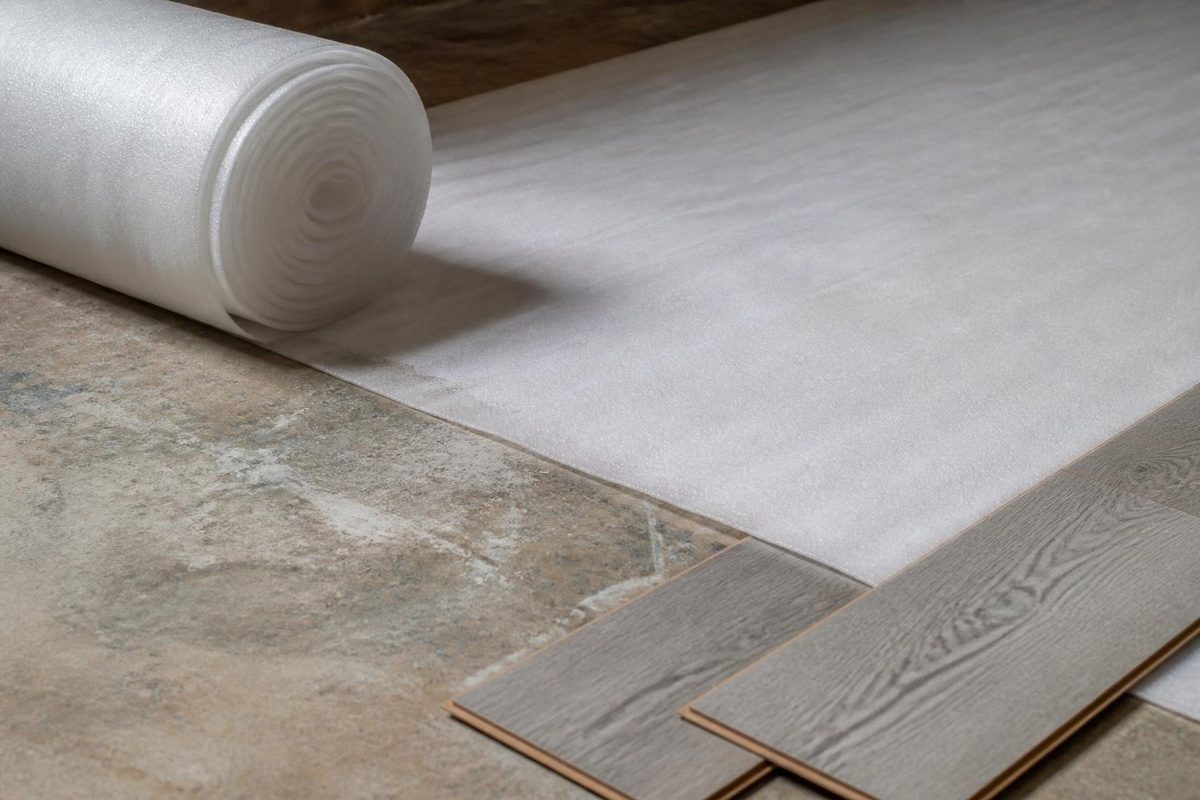
Most SPC vinyl flooring uses the same click-lock floating-floor system common across modern luxury vinyl plank products, where planks snap together and float over a thin underlayment rather than being glued to the subfloor. This keeps installation relatively fast for a straightforward room and makes future plank replacement simpler if a section gets damaged, since the floor isn’t permanently bonded down.
A crew experienced with vinyl plank installation will also know to leave the correct expansion gap at walls and transitions, since SPC’s rigidity means it needs room to shift slightly with temperature changes even though it won’t warp the way wood-based flooring can.
Comparing SPC Quotes
When comparing quotes that include SPC vinyl flooring, confirm the wear layer thickness, since a thicker wear layer generally holds up better to scratches over years of use regardless of how rigid the core is. Ask whether the quote includes an underlayment with sound dampening, whether subfloor prep is included or billed separately if the assessment turns up an issue, and what the manufacturer’s wear-layer warranty actually covers versus the installer’s separate labour warranty.
SPC and Radiant Heat Compatibility
Many SPC vinyl flooring products are rated for use over hydronic or electric radiant floor heating, which is a common request in Toronto homes and condos with in-floor heating already installed. The rigid stone-composite core generally conducts and tolerates heat well compared to some flexible vinyl products, but manufacturer temperature limits still vary by product line. Always confirm the maximum subfloor surface temperature a specific SPC product allows before running it over an existing radiant system, since exceeding that limit can affect the plank’s dimensional stability and void the warranty.
Maintaining an SPC Floor
Day-to-day care for SPC vinyl flooring is straightforward: regular sweeping or vacuuming with the beater bar switched off, and a damp mop with a cleaner formulated for vinyl rather than an oil-based or wax polish, which can leave a dull film on the wear layer over time. Felt pads under furniture legs are still worth using even though SPC resists denting better than softer vinyl, since a hard object dragged across the surface can still scratch the printed layer.
Frequently Asked Questions
Is SPC vinyl flooring more expensive than standard luxury vinyl plank?
SPC often costs a bit more per square foot than flexible vinyl plank because of the denser core materials, though the gap has narrowed as SPC has become more common. The added durability can offset the higher upfront cost in high-traffic rooms.
Does SPC flooring feel cold underfoot?
SPC’s rigid core can feel slightly cooler and firmer than softer vinyl plank, similar to how tile feels firmer than carpet. A quality underlayment helps, and SPC is compatible with most radiant floor heating systems, though it’s worth confirming compatibility with the specific product before installing over a heated subfloor.
Can SPC vinyl flooring be installed over existing tile or hardwood?
In many cases yes, as long as the existing floor is flat, stable, and free of major damage, though a professional assessment is the safest way to confirm before installation begins.
How long does SPC vinyl flooring typically last?
A quality SPC floor with a reasonable wear layer can often last 15 to 25 years in a residential setting with normal use, though heavy commercial traffic will shorten that range considerably.
If you’re comparing SPC vinyl flooring against standard luxury vinyl plank for a specific room, Tony’s Flooring can walk you through samples at the Etobicoke showroom and help you weigh durability, comfort, and budget for how the room actually gets used. Call us at (416) 255-9631, try our flooring cost calculator, or contact our team to schedule a showroom visit.