
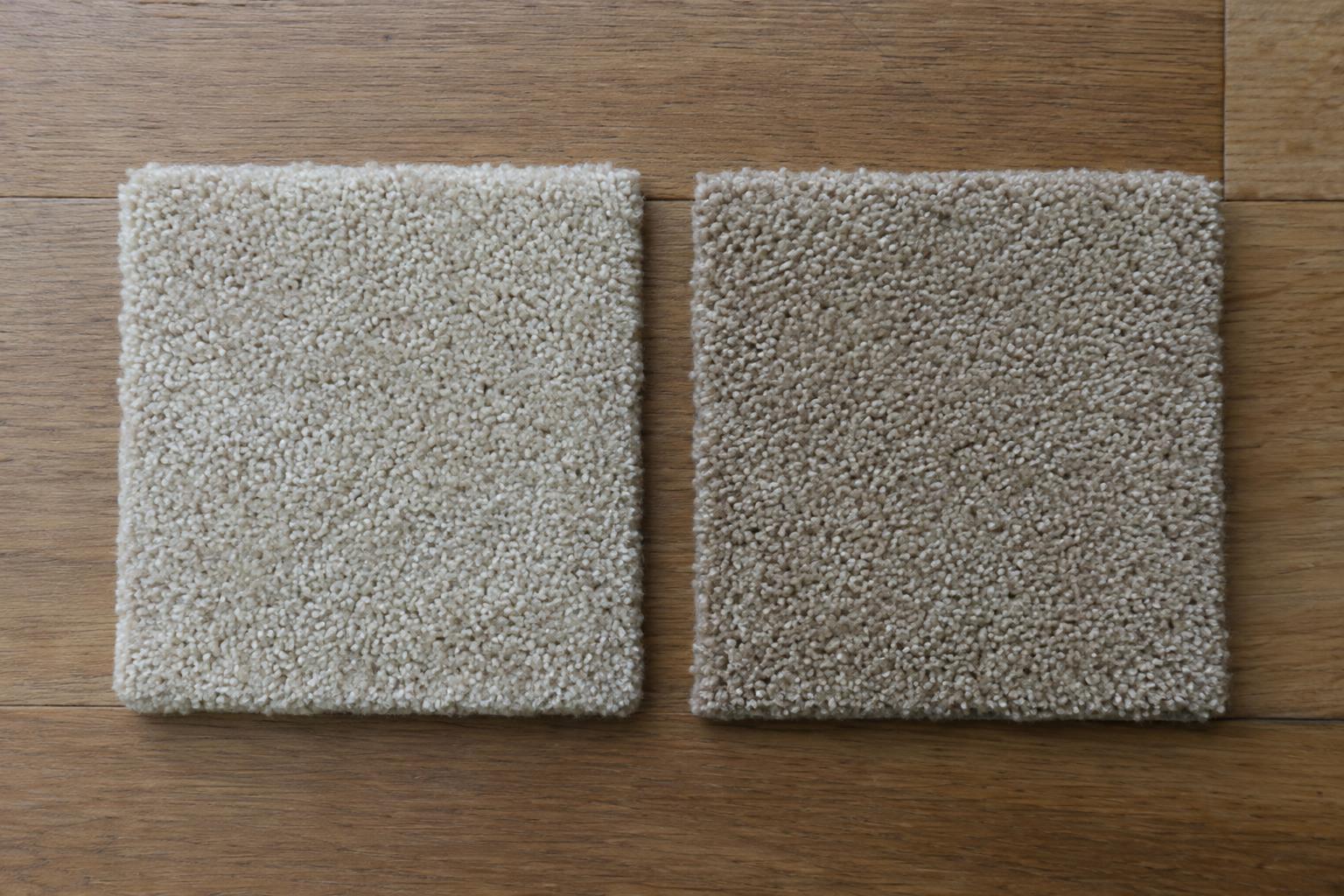
Two boxes or rolls with the same product name may not match perfectly if they come from different manufacturing runs. Dye lots and batch numbers help a retailer and installer track that variation. Checking them before installation is especially useful when material will span a large room or when you may need extra material later.
What the labels can tell you
Packaging may identify a dye lot, batch, run or production date. The exact label depends on the manufacturer and material. These identifiers do not promise that every piece is identical, but they help confirm that an order was supplied from the expected run. Ask the retailer where the identifying information appears and keep a photo of the labels with your invoice.
Order for the whole project
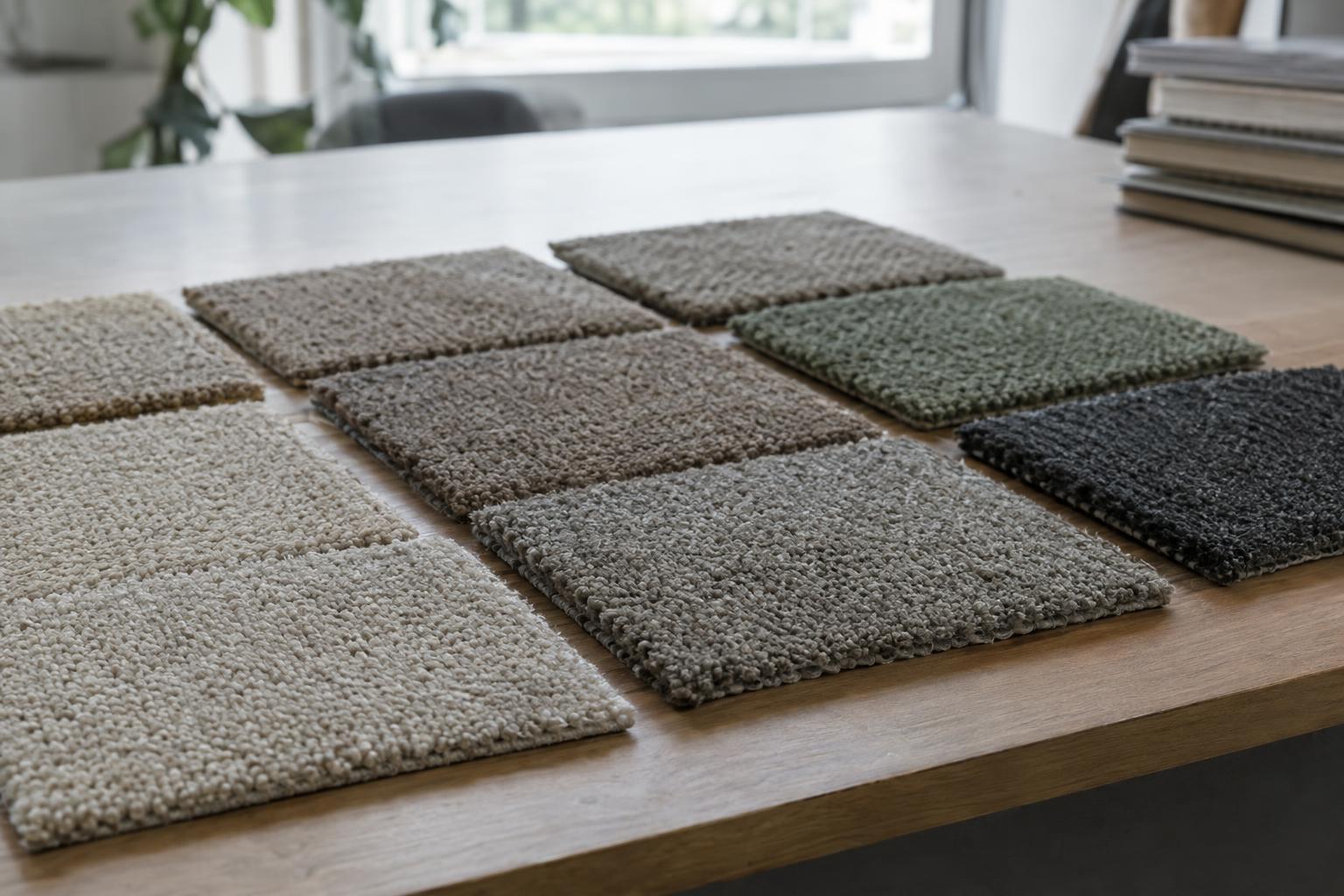
Measure the areas carefully and discuss cutting waste, pattern matching, stairs, closets and future repairs with the installer. Ordering too little can force a second purchase from a different run. The right overage varies by product and layout, so use the installer’s estimate and the manufacturer’s directions rather than a universal percentage. Confirm the amount and identifiers on delivery before any material is cut.
Inspect the material together
Open representative packages and compare colour and texture in the room’s light. Carpet may appear different when the pile direction changes; wood and vinyl can show intentional variation. Ask whether pieces should be mixed during installation for a balanced appearance. If something looks unexpectedly different, stop and clarify it before installation makes a return difficult. Keep packaging until the order has been checked.
Plan for later repairs
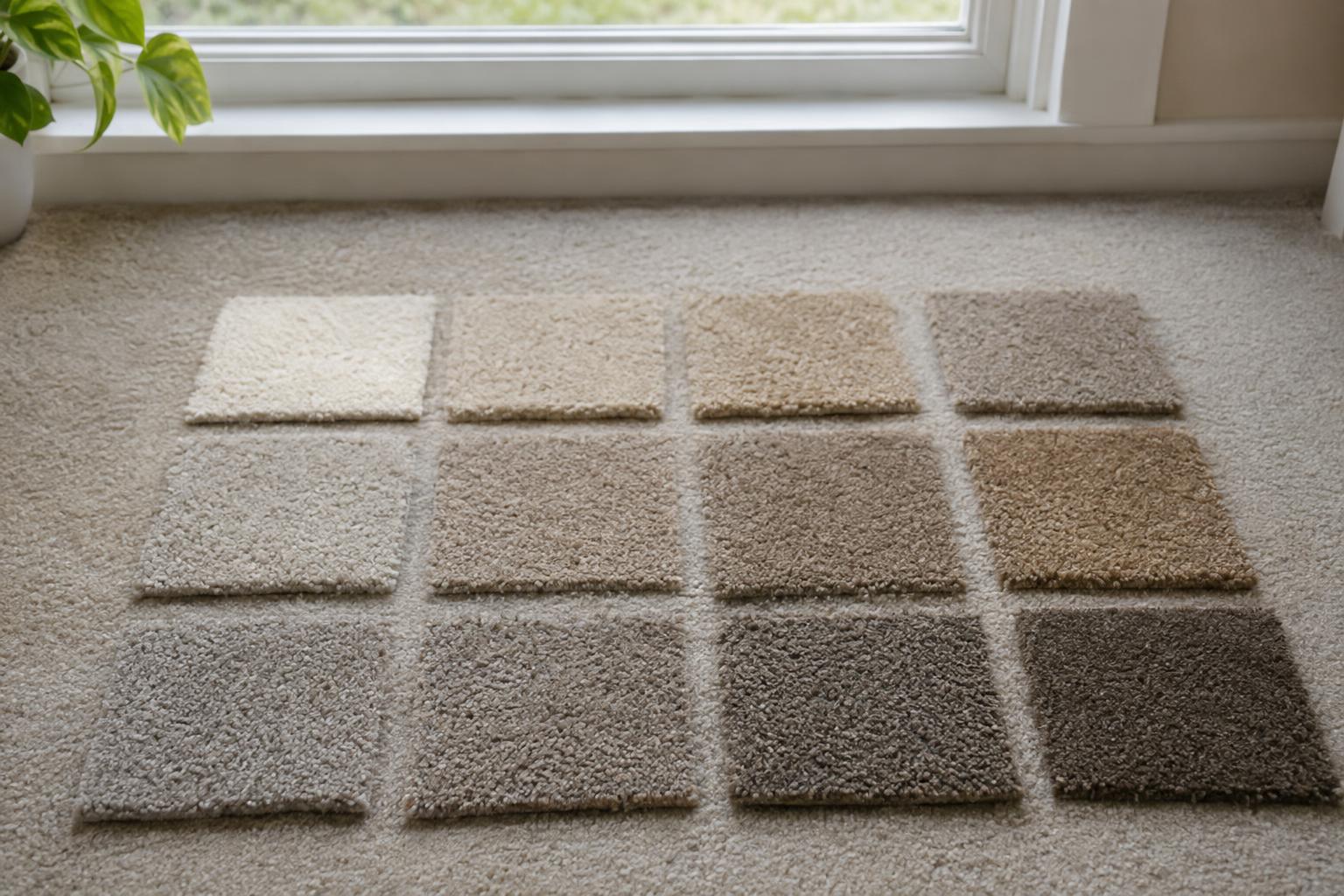
Keeping a modest amount of matching material may help with a future repair, provided it is stored according to manufacturer guidance. Even a matching label does not guarantee that an older installed floor and a new piece will look identical after years of light and wear. Ask the retailer what can realistically be sourced later and retain the product name, colour, batch information and purchase date.
Why matching names can still look different
A product name and colour name describe a range made to a manufacturer’s standard, not an individual piece of material. Raw materials, pigments, finishing and production conditions can introduce small differences between runs. Some variation is part of the design, especially in natural materials. Other variation becomes distracting when two runs meet across a large uninterrupted floor. The packaging identifiers help a retailer investigate what was supplied; they do not tell you by themselves whether the finished result will look acceptable.
Carpet is an obvious example because colour and pile direction both influence appearance. A carpet seen from one end of a room may look lighter than the same material viewed from the opposite direction. This is why the installer needs to know the planned lay direction and how pieces will meet. Vinyl and laminate can also show manufacturing variation, while natural wood has its own deliberate range of tones and grain. Ask what variation is normal for the exact product rather than expecting a universal rule.
Ask these questions before paying
Ask whether the retailer can supply the entire quantity from one available run, including any extra material calculated for cuts and repairs. Confirm whether the quote is based on material currently in stock or a future order. If the order will be split across warehouses, ask how run information will be checked before delivery. A large project may make a single-run supply impractical; what matters is knowing this early enough to inspect samples and plan placement.
Clarify the return and exchange terms for unopened boxes or rolls, especially if you are ordering an allowance for future repairs. Some products have special-order terms. Ask whether the installer or the buyer is responsible for checking labels and visible differences when the delivery arrives. Put that responsibility in the project notes. A brief check before installation is easier than debating a difference after furniture is back in place.
Make a delivery checklist
Compare the delivered manufacturer, style, colour and quantity with the invoice. Photograph several package labels rather than just the top box. Count visible packages and note any damage or moisture exposure. Where the product’s directions permit, open a few packages from different parts of the delivery and compare the material under the room’s normal lighting. Do not install a piece that appears clearly wrong while waiting for an explanation.
Record the numbers as they appear rather than assuming every identifier has the same meaning. A production date may accompany a separate batch code. If labels differ, ask the retailer to explain whether the codes identify separate runs and whether they can be mixed on this installation. Keep the response with your order record. If a manufacturer publishes specific guidance for mixing or sequencing material, those instructions should guide the installer.
Coordinate with the installer
Share the batch information and any visible variation before work begins. An installer may be able to distribute natural-looking variation across the floor instead of clustering similar pieces in one area. That strategy is not a cure for an obviously incorrect colour or incompatible lot. Ask the installer to flag a mismatch immediately and pause before cutting or fastening more material. Establish who will contact the retailer if a replacement is needed.
Discuss room breaks and thresholds. If two lots must be used, a doorway or separate room may provide a more natural division than the middle of an open plan. The appropriate approach depends on the product and the degree of difference. The installer should follow product-specific directions and should not promise that a seam or transition will be invisible.
Keep the record after completion
Save your invoice, product specification, care guide, warranty and label photos in one place. If you retain spare material, identify the room and store it as directed; heat, moisture and sunlight may affect some products. A later repair may require blending with surrounding pieces, and the installed floor will have aged. Complete records make a repair conversation more productive even when an exact visual match is no longer possible.
The Carpet and Rug Institute provides carpet care and product information. For the meaning of a particular lot or batch code, the retailer or manufacturer of the selected product is the authoritative source.
Handle a mismatch before it becomes a finished floor
If a delivery includes different identifiers, do not assume that it is automatically wrong or automatically acceptable. Ask the retailer and installer to compare actual material from each run under the room’s normal lighting. Document what you see and request the manufacturer’s guidance if the variation is unclear. The right response may be an exchange, a revised placement plan or confirmation that the difference falls within the product’s intended range.
Pause installation if the mismatch is visible and distracting. Once material has been cut, glued or fastened, the choices may narrow. Keep communication factual: identify the boxes, codes, colour name and the exact area where the difference appears. A quick photo with consistent lighting helps the retailer understand the concern, though the in-person comparison remains the best basis for a decision.
When the issue is resolved, save the decision with the project paperwork. That record helps if the same question comes up during a later repair or addition.
Frequently Asked Questions
Do different batch numbers automatically mean the flooring is wrong?
Not necessarily. Identifiers help confirm the supplied run, while some variation is expected. Compare the actual material in the room and ask the retailer or manufacturer about differences that concern you.
What should I save from the delivery?
Keep the invoice and product details, and photograph package labels from several boxes. Note visible variation before installation.
How much extra flooring should I order?
Ask the installer to estimate for cuts, pattern matching, stairs, closets and possible future repairs, following the product guidance; the needed amount depends on the product and layout.
Tony’s Flooring carries carpet and vinyl plank options. Bring your room measurements and any existing product labels to the store, or contact the team before ordering.