
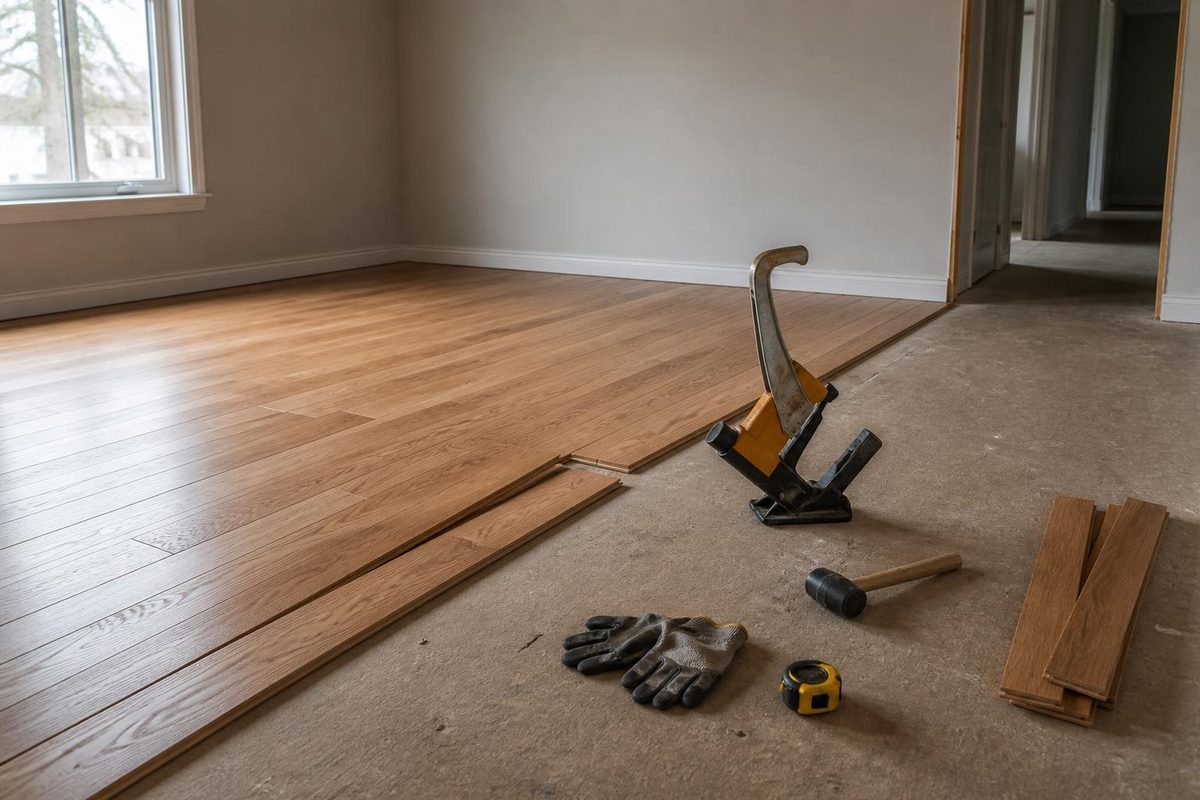
Hardwood flooring installation cost is one of the first questions homeowners ask once they’ve decided to make the switch, and it’s also one of the hardest to pin down from a quick online search. Quotes for the same square footage can differ by thousands of dollars, and most of that spread comes down to a handful of specific factors: the type of hardwood, the condition of the subfloor, the layout of the room, and whether old flooring needs to come out first.
This guide breaks down what actually drives hardwood flooring installation cost so you can compare quotes accurately and know which line items are worth paying more for.
Solid vs Engineered Hardwood: How the Material Affects Cost
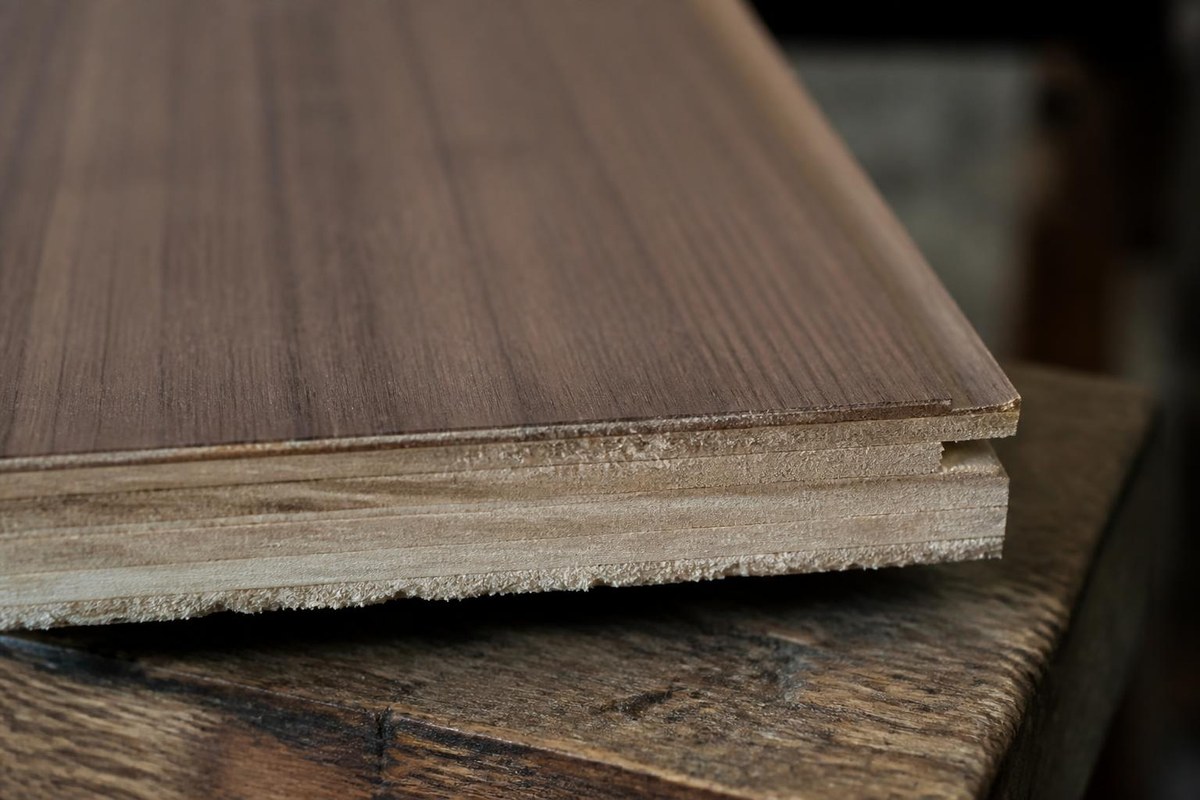
Solid hardwood is milled from a single piece of wood and can be sanded and refinished many times over its life, which is part of why it typically carries a higher material cost than engineered options. Engineered hardwood uses a real wood veneer over layers of plywood or high-density fibreboard, which makes it more dimensionally stable in homes with humidity swings and often brings the material cost down without sacrificing the look of solid wood underfoot.
Species also matters. Red oak and white oak tend to sit at the more accessible end of the price range, while walnut, hickory, and wider-plank premium grades cost more per square foot. Board width and plank length affect price too — wider, longer boards look striking but generally cost more to produce and install than standard strip flooring.
Subfloor Preparation: Where Quotes Diverge the Most
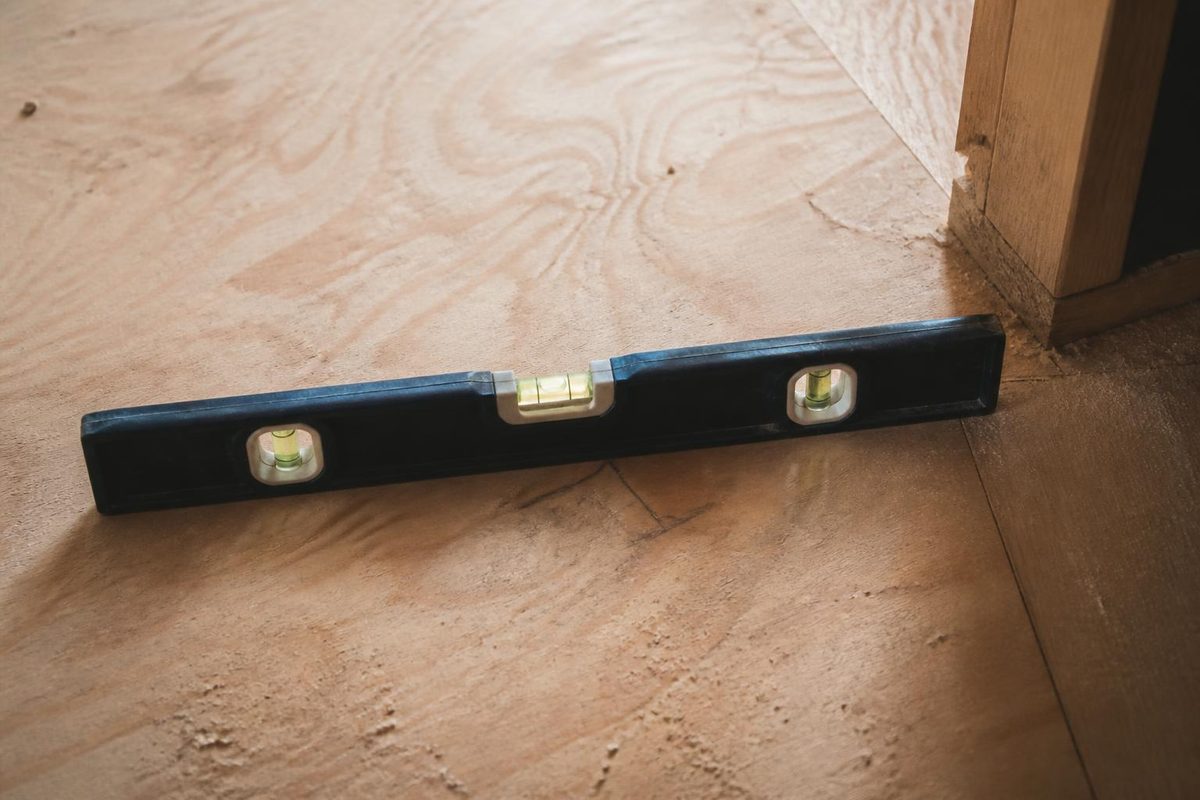
A hardwood floor is only as good as what’s underneath it, and subfloor condition is usually the single biggest reason two quotes for the same room come in far apart. A subfloor that’s flat, dry, and free of squeaks might only need a light sanding or a moisture check before installation. An older subfloor with uneven spots, squeaks, or leftover adhesive from a previous floor can add real labour time to level and repair properly before a single board goes down.
This is why an accurate hardwood flooring installation cost estimate should always start with someone looking at the actual subfloor in person, not a phone quote based on square footage alone. Skipping proper subfloor prep is one of the most common shortcuts behind hardwood floors that develop squeaks, gaps, or uneven spots within the first year or two.
Removal and Disposal of Existing Flooring
If your project involves tearing out old carpet, tile, or a worn hardwood floor first, that removal and disposal is its own line item. Carpet and pad usually come up quickly and add modest cost, while old tile or a glued-down hardwood floor can take significantly longer to remove and haul away. Always confirm whether removal and disposal are included in a quote or billed separately — it’s one of the most common gaps between what looks like a low bid and what the job actually ends up costing.
Labour, Room Layout, and Installation Method
Most modern hardwood is installed using a nail-down or staple-down method over a wood subfloor, or a glue-down method over concrete. Nail-down installation is generally faster and more affordable in labour, while glue-down work over a concrete slab takes longer and typically costs more per square foot in labour alone.
Room shape affects labour too. A simple, open rectangular room installs faster than a space with closets, multiple doorways, stair transitions, or curved walls. Herringbone and chevron patterns, along with borders or medallions, add visible character to a room but require significantly more cutting and fitting time than a standard straight-plank layout.
How to Compare Hardwood Flooring Installation Cost Quotes Fairly
Because so much of the final number depends on subfloor condition and room complexity, the only reliable way to compare quotes is to make sure each one is based on an in-person assessment of the space. When you’re reviewing quotes side by side, check whether each one specifies the wood species and whether it’s solid or engineered, whether subfloor repair is included or billed as an add-on if needed, and whether removal and disposal of the old flooring is part of the price. Two quotes that look close on paper can represent very different scopes of work once these details are spelled out.
It’s also worth asking how the installer’s labour warranty works, separate from the manufacturer’s material warranty. A lower quote isn’t much of a saving if a shortcut in subfloor prep leads to a callback for gapping or squeaking within the first year that isn’t covered.
What Toronto Homes Add to the Equation
Toronto’s seasonal humidity swings, from dry winter heating months to humid summers, mean hardwood needs a brief acclimation period in the home before installation, and moisture testing on the subfloor is worth insisting on rather than skipping. Older homes across the city, especially those with original subfloors from past renovations, more often need levelling work than a newer build, which is another reason a phone estimate rarely holds up once a crew is on site. Condos and homes above grade generally have fewer moisture concerns than basements or homes on a slab, which can also affect which hardwood options make sense for the space. The Natural Resources Canada forest products and applications page has general background on Canadian wood products used in construction.
How Long Does Hardwood Installation Take?
Timeline is another piece of the total cost equation that’s easy to overlook. A single room with a subfloor in good condition and a straightforward layout can often be completed in a day or two once the wood has acclimated to the home. A whole-floor project, or a space that needs significant subfloor levelling, moisture remediation, or a patterned layout like herringbone, can stretch to a week or more.
Acclimation time matters here too. Hardwood generally needs to sit in the home for several days before installation so the boards can adjust to the room’s temperature and humidity, which helps prevent gapping or buckling after the floor goes in. Skipping or shortening this step to save time is one of the more common causes of a hardwood floor that looks great on installation day but develops problems within the first few months.
Warranty Coverage: Material vs Labour
Most hardwood flooring installation quotes bundle two separate warranties that are worth understanding individually. The manufacturer’s warranty covers defects in the wood or finish itself, typically for a set number of years depending on the product line. The installer’s labour warranty is a separate commitment covering workmanship, such as a board that comes loose or a section that wasn’t properly nailed down.
When comparing quotes, ask what each warranty actually covers and for how long, since a lower price with a shorter or vaguer labour warranty can end up costing more if an installation issue shows up down the road.
Frequently Asked Questions
Is engineered hardwood cheaper than solid hardwood to install?
Material cost is often lower for engineered hardwood, and because it’s more dimensionally stable, it can sometimes be installed directly over certain subfloors without as much prep. Solid hardwood typically costs more upfront but can be refinished more times over its life.
Does removing old flooring add much to the total cost?
It depends on what’s coming out. Carpet and pad removal is usually quick and inexpensive, while removing old tile or a glued-down floor takes more labour and should be confirmed as included or separate before you sign off on a quote.
How much does subfloor repair typically add to a hardwood installation?
It varies widely based on condition — a subfloor in good shape might only need a quick check, while squeaks, low spots, or old adhesive residue can add meaningful labour time. This is why an in-person assessment matters more than a phone estimate.
Are patterned layouts like herringbone significantly more expensive?
Yes, herringbone, chevron, and bordered layouts require more precise cutting and fitting than a standard straight-plank installation, which adds labour time even when the material cost per square foot is the same.
If you’re comparing hardwood flooring installation cost estimates and want a number based on your actual room rather than a guess over the phone, Tony’s Flooring can assess your subfloor and walk you through solid and engineered options that fit your budget. Try our flooring cost calculator for a starting estimate, call us at (416) 255-9631, or reach out to our team to schedule a walkthrough.